
The Type of Creative Leader I Choose to Be
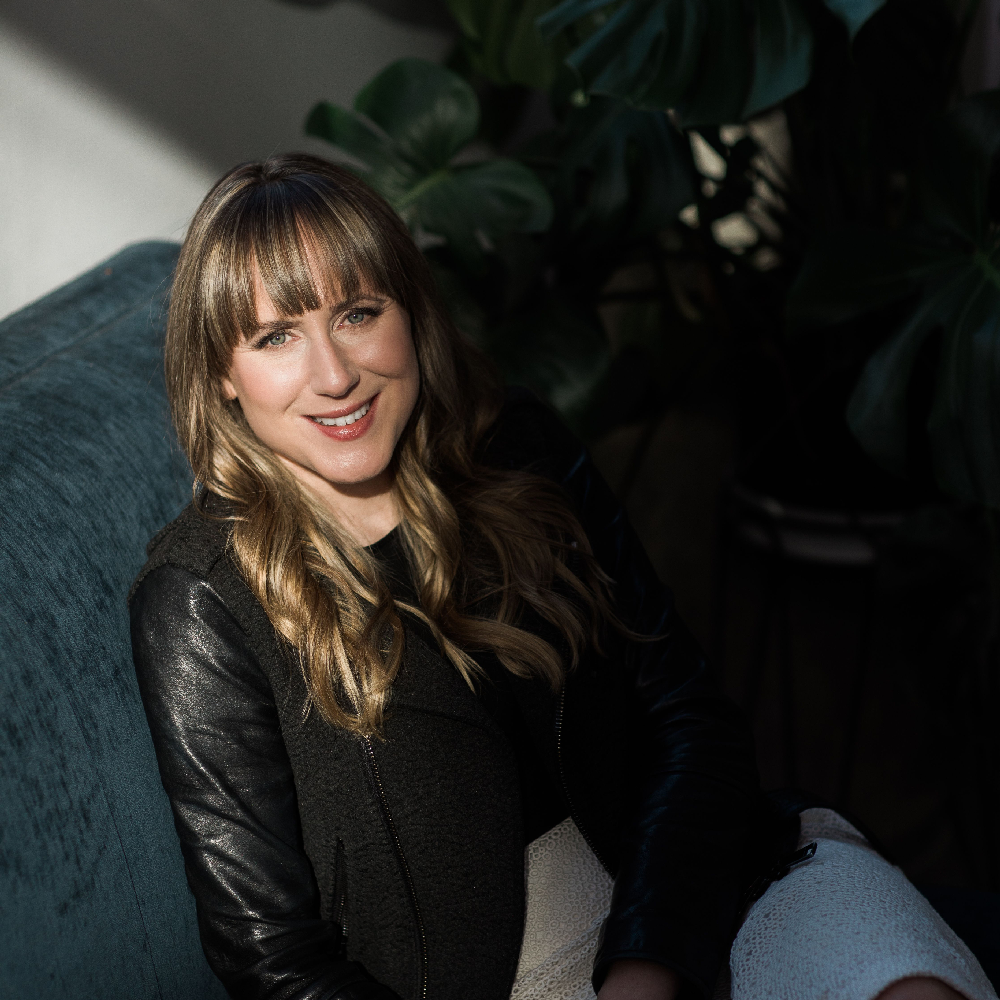
I’ve never been the kind of creative who fits the mold. Not your classic graphic designer.
In my first creative job after university, I started out designing window displays and events, eventually moving into retail environments and the branding of stores.
Back in 2005, there were far more design graduates than jobs, so I widened my search beyond classic graphic design roles — and landed somewhere that captured my imagination. As part of a lecture series during my design course, I’d discovered a fascination with architecture and how spaces influence behavior. This job brought that to life.
After a while, though, I found myself missing the craft of graphic design. I’ve always loved art and design, and because of that, I wanted to be involved in something that lasted longer — logos over light boxes — something with a different kind of shelf life. I wanted to create impact.
The thread, though, has always been the same: finding ways to create experiences that connect with people emotionally — whether in a physical space or in the mind.
When I did move into more traditional graphic design roles in branding agencies, I found myself excited by generating ideas, presenting them to clients and exploring the “what ifs.” Probably why strategists loved having me on their teams.
I think that’s also why I never quite fit the typical “creative” mold. I wasn’t the one perfecting every pixel or finessing a logo for hours — though I did do that for a time. It just didn’t spark the same kind of joy. I was far more energized by the meaning and emotion behind ideas. After working in 3D spaces, moving into 2D felt like a shift, and while I respected the craft, my passion became shaping the thinking behind the work rather than honing it on screen.
Curiosity as a Constant
My curiosity has always been about people, systems, and how things connect.
Studying graphic design, I found myself drawn to storytelling. I made a book that translated my daily commute into shapes and color, capturing how my mood changed throughout the journey. In another project I built custom acrylic cubes to illustrate how much empty space existed inside product packaging — a simple metaphor for perceived value.
It’s funny looking back now, because I realize that’s always been my thread: trying to make complex things understandable, relatable, and human.
From Maker to Curator
Even though I’ve never created a typeface or shot a campaign with my own hands, I’ve always been a curator of ideas — quietly inspiring teams with concepts, big or small, and sparking the kind of debate that makes ideas better.
That’s often been misunderstood.
I’ve been told: “You should move into new business.” “You’re great with clients.” “Have you ever thought about being a managing director?” Or, “You should focus more on design.”
For a long time, those comments made me question where I fit.
But I’ve learned that my creativity shows up differently. My leadership isn’t about being the loudest voice in the room — it’s about connecting people, nurturing ideas, and curating the right mix of perspectives so something special can happen.
That’s what being a creative leader looks like for me. It’s also what led me to co-found Ladyship, with the purpose of helping ambitious brands find clarity, craft, and cultural resonance, all rooted in my creative leadership approach that values meaning and results.
Belonging in a Loud Industry
The creative industry can be wonderful — but also brutal.
It’s full of talent, passion, and vision, but also perfectionism, comparison, and burnout. LinkedIn is overflowing with beautiful, blood-sweat-and-tears projects — but behind many of them are stories of exhaustion, doubt, and people feeling like they’re never enough.
I’ve been having those conversations privately for years. They’re the reason I write things like this — because so many brilliant people still feel like outsiders in the very spaces they help to build.
There were times I thought I needed to be tougher. Push harder. Demand more. Work longer. Let it consume me. But I won’t. I’ve seen what that does — and it’s not where creativity thrives.
Choosing to Lead Differently
My approach to leadership is curation — of ideas, conversations, and people.
It’s about creating a space where others feel safe to explore, question, and build on each other’s thoughts. It’s about energy, not ego.
Sometimes I still catch myself wondering if I should be more forceful, or chase every shiny new thing. But I come back to this truth: It’s not what you do that people remember — it’s how you make them feel.
That’s the kind of creative leadership I believe in.
Quiet. Confident. Collaborative.
Belonging, Redefined
I’m writing this for anyone who’s ever felt like they don’t quite belong in a world that celebrates the stage, polish and perfection.
Just because I call myself a Chief Creative Officer (and believe me, I worked hard to get here) doesn’t mean I think my voice is always the strongest, or the most important.
Sometimes the best leadership is about making space — and trusting that creativity will fill it.
Written by Jemma Campbell
Read this article on LinkedIn
